
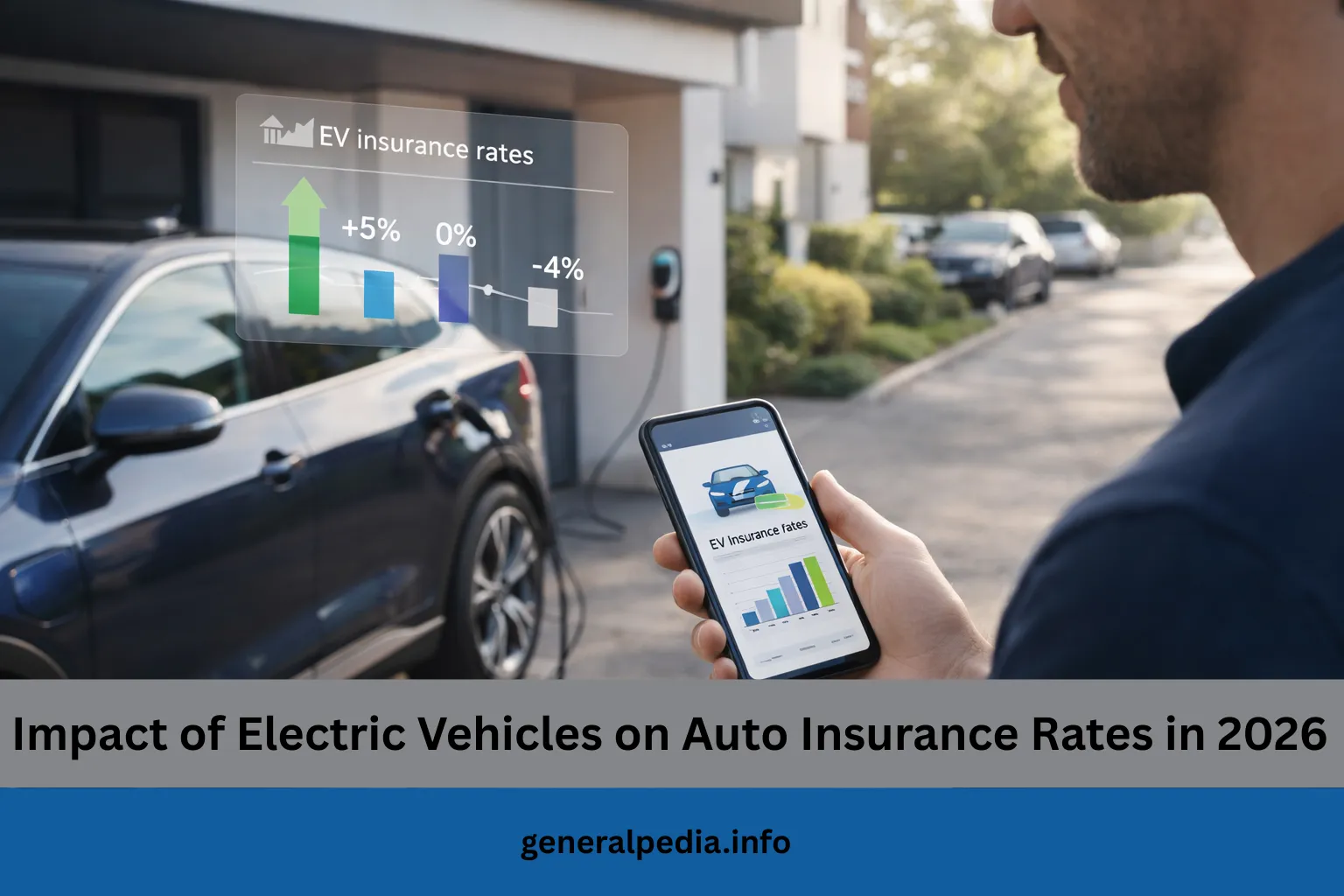
Electric vehicles (EVs) are becoming more popular as drivers in the USA aim to save on fuel and help the environment. However, the impact of electric vehicles on auto insurance rates in 2026 is a topic that many are curious about. Electric vehicle insurance often costs more than coverage for gas-powered cars, but why?
This article dives into the reasons behind EV car insurance costs, explores trends in green auto insurance, and shares practical tips to find affordable coverage. With real-life stories and clear explanations, you’ll learn how to navigate the insurance landscape for your EV.
Why Electric Vehicle Insurance Costs More
Electric vehicle insurance tends to be pricier than insurance for traditional cars. In 2026, insuring an EV can cost up to $44 more per month compared to a gas-powered car, according to the National Association of Insurance Commissioners. Here is why:
- Higher Purchase Price: EVs often cost more than gas cars. For example, the average price of an EV in February 2026 was $55,273, compared to $49,700 for gas vehicles. Higher car values mean higher replacement costs, which insurers factor into premiums.
- Expensive Repairs: EV batteries, which can cost $5,500 to $20,000 to replace, are a major factor. Repairs also require specialized technicians, and fewer shops are equipped to handle EVs, increasing labor costs.
- Limited Parts Availability: EV parts, like batteries, are harder to find than parts for gas cars, making repairs more expensive.
- Advanced Technology: Many EVs have high-tech features like driver-assistance systems, which are costly to fix if damaged.
For example, when my friend Alex got a Tesla Model 3, he was shocked to see his insurance quote was $150 more per month than for his old Honda. After shopping around, he found a provider with an EV discount, saving him $400 a year.
Key Factors Driving EV Insurance Rates in 2026
Several factors influence EV car insurance costs. Understanding these can help you find better rates for green auto insurance.
1. Vehicle Make and Model
Not all EVs are equal when it comes to insurance. Affordable models like the Chevrolet Equinox EV ($2,099 annual premium) or Nissan Leaf ($2,396) cost less to insure than luxury models like the Tesla Model S ($5,074) or Porsche Taycan ($4,074). Choosing a budget-friendly EV can lower your rates.
2. Repair Costs and Complexity
EV repairs are about 3% more expensive than for gas cars, mainly due to battery costs and specialized labor. For instance, a damaged EV battery might lead to a total loss claim because replacing it can cost up to 50% of the car’s value.
3. Lack of Historical Data
Since EVs are newer, insurers have less data to assess risks compared to gas cars. This uncertainty often leads to higher premiums to cover potential claims.
4. Location and Driving Habits
Where you live and how you drive affect rates. Urban areas with more traffic or theft risk have higher premiums. Your driving record also matters safe drivers pay less.
| Factor | Impact on EV Insurance Rates |
|---|---|
| Vehicle Cost | Higher-priced EVs (e.g., Tesla) cost more to insure than budget models. |
| Repair Costs | Batteries and specialized repairs increase claim costs. |
| Parts Availability | Limited parts mean longer, costlier repairs. |
| Driver Profile | Age, driving record, and location influence premiums. |
Trends in Green Auto Insurance for 2026
The impact of electric vehicles on auto insurance rates in 2026 is shaped by new trends that could affect costs and coverage.
- Usage-Based Insurance: Programs like telematics track driving habits, offering discounts to safe EV drivers. For example, Progressive’s Snapshot program saved my neighbor 10% on her EV policy.
- EV-Specific Discounts: Some insurers, like Travelers and Lemonade, offer “green vehicle” or “alternative fuel” discounts, reducing premiums by 5-10%.
- Charging Station Coverage: Policies are starting to include coverage for home charging stations, which can protect against electrical surges or fire risks.
- Declining Costs Over Time: As EVs become more common, repair shops are gaining expertise, and parts are becoming more available. This could lower insurance costs in the future.
How to Save on Electric Vehicle Insurance
Finding affordable electric vehicle insurance is possible with these practical tips:
- Shop Around: Compare quotes from at least three insurers. Companies like Erie ($168/month), Auto-Owners, and Travelers offer competitive EV rates. Use sites like The Zebra or Insurify for quick comparisons.
- Look for Discounts: Ask about green vehicle discounts, safe driver discounts, or bundling home and auto policies. Bundling saved me $200 a year when I insured my EV and apartment together.
- Choose a Cheaper EV: Opt for models like the Mini Cooper Electric or Hyundai Kona Electric, which have lower insurance costs than high-end Teslas.
- Raise Your Deductible: Increasing your deductible from $500 to $1,000 can lower your premium, but ensure you can afford the out-of-pocket cost.
- Use Telematics: Programs like Tesla’s Safety Score or Lemonade’s app can reduce rates for safe driving.
- Maintain a Good Driving Record: A clean record keeps premiums low. My cousin avoided a rate hike by taking a defensive driving course after a minor ticket.
“Comparing quotes and asking for discounts can make insuring an EV much more affordable.” – Paul Baxter, The Green Insurer
Real-Life Story: Navigating EV Insurance Costs
Last year, my coworker Lisa bought a Chevrolet Bolt EV to save on gas. She was excited about the environmental benefits but worried when her first insurance quote was $300 more per year than her old car. Lisa used an online comparison tool and found a provider offering a green vehicle discount.
She also joined a telematics program that tracked her safe driving, cutting her premium by 15%. In the end, she paid only $50 more per year than her gas car, and the fuel savings made it worthwhile. Her story shows that with a little effort, you can manage EV car insurance costs.
Benefits of EVs That Offset Insurance Costs
While green auto insurance may cost more, EVs offer savings that can balance the expense:
- Fuel Savings: EVs cost about 5.4 cents per mile to charge, compared to gas cars, which can save $3,000-$10,500 over the vehicle’s life.
- Lower Maintenance: EVs have fewer moving parts, reducing costs for oil changes and brake repairs.
- Tax Incentives: Federal tax credits up to $7,500 and state rebates can lower the upfront cost of an EV.
For example, my uncle saved $1,200 a year on gas and maintenance with his Nissan Leaf, which more than offset his $600 higher insurance premium.
Common Mistakes to Avoid When Insuring an EV
To get the best electric vehicle insurance rates, avoid these pitfalls:
- Not Comparing Quotes: Sticking with one insurer might mean missing out on savings.
- Overlooking Discounts: Many drivers forget to ask about green vehicles or bundling discounts.
- Choosing Insufficient Coverage: Skimping on coverage could leave you paying for expensive repairs, like a $15,000 battery replacement.
- Ignoring Telematics: Usage-based programs can save money but are often overlooked.
- Not Checking Charging Station Coverage: Ensure your policy covers home charging equipment.
The Future of EV Insurance in 2026 and Beyond
The impact of electric vehicles on auto insurance rates in 2026 is significant, but the gap is narrowing. As more drivers switch to EVs (1.3 million sold in the USA in 2024), insurers are adapting. Repair shops are training technicians, parts are becoming more available, and competition is driving down rates. For example, the Ford Mustang Mach-E is 15% cheaper to insure than its gas-powered counterpart, showing progress in affordability.
In the future, expect more insurers to offer EV-specific discounts and coverage for charging stations. Usage-based insurance will also grow, rewarding safe drivers with lower rates. By staying informed and comparing options, you can find green auto insurance that fits your budget.
5 Frequently Asked Questions (FAQs)
EV insurance costs more due to higher vehicle prices, expensive battery repairs, and limited repair shops. On average, EVs cost $44 more per month to insure than gas cars.
Most insurers offer standard policies for EVs, but some, like Lemonade, include EV-specific coverage like charging station protection.
Yes! Compare quotes, ask for green vehicle discounts, raise your deductible, and use telematics programs to save money.
No. Budget-friendly EVs like the Kia Niro EV are cheaper to insure than luxury models like the Tesla Model S.
As EVs become more common and repair costs drop, insurance rates are expected to decrease. More data and competition among insurers will help.
Conclusion
The impact of electric vehicles on auto insurance rates in 2026 highlights the unique challenges of insuring EVs, including higher repair costs and limited availability of parts. However, smart strategies such as comparing insurance quotes, looking for EV-specific discounts, and choosing affordable electric models can help manage electric vehicle insurance costs.
You can find more practical tips and in-depth guides on this topic in our Blogs, where we regularly cover trends in auto insurance and electric vehicles. Real-world examples show that research truly pays off. My friend Alex’s experience with his Tesla and Lisa’s success with her Chevy Bolt prove that informed decisions can lead to better insurance rates.
As the EV market continues to grow, electric vehicle insurance is expected to become more competitive. If you have questions or need personalized guidance, visit our Contact Us page.
To learn how your information is protected, please review our Privacy & Policy, and for full details about using our website, check our Terms and Conditions. Overall, 2026 is a great time to go green without breaking the bank.